
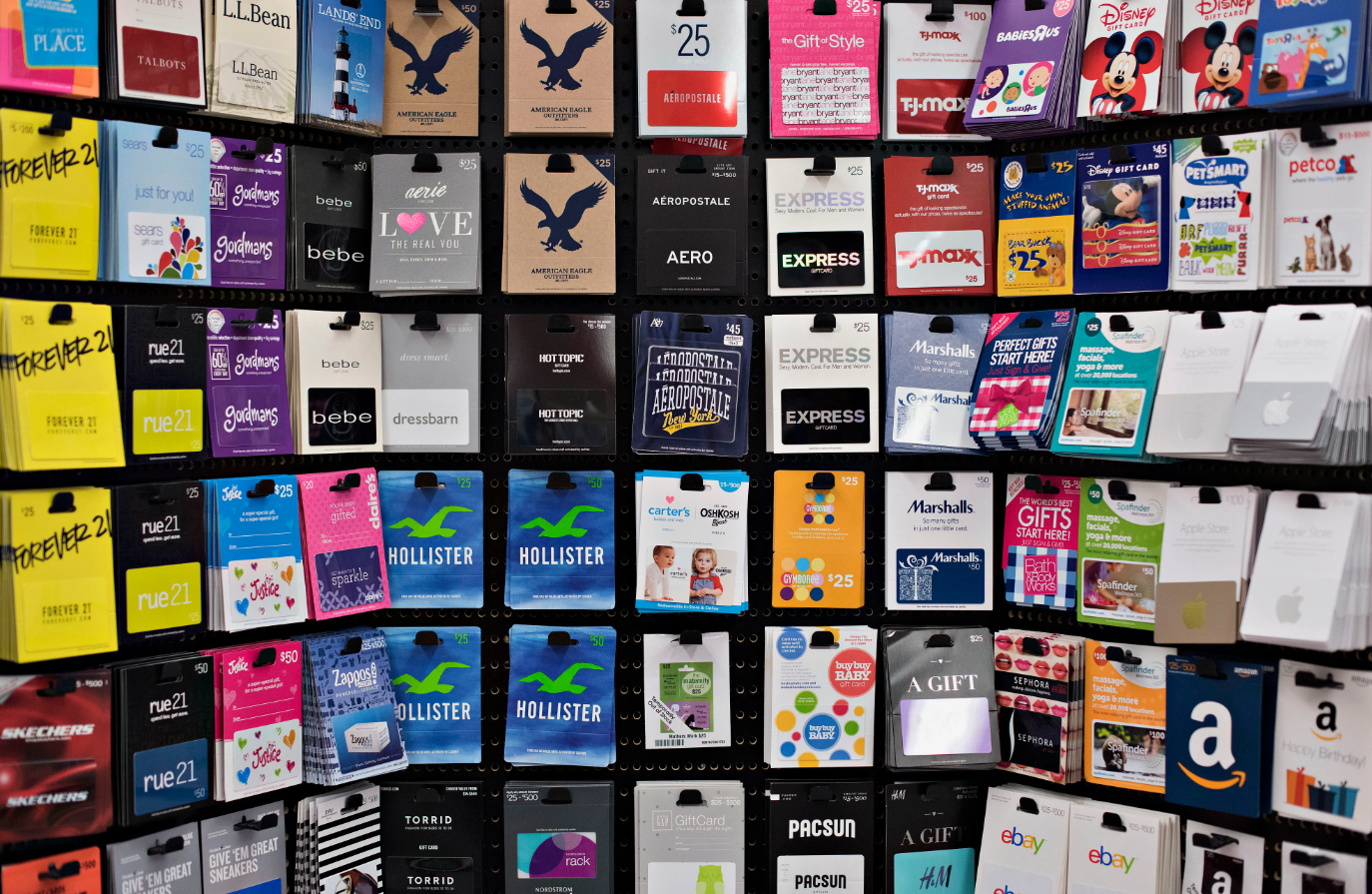
Gift cards and vouchers are a great way to boost sales, but from an accounting perspective, they're not quite the same as a normal sale.
Recent changes to New Zealand's gift card laws also make now a good time to review both your terms and how they're recorded in your accounts.
New Rules
From 16 March 2026, most gift cards and vouchers sold to consumers must have a minimum expiry period of three years from the date of purchase. Businesses can offer a longer expiry period, but generally not a shorter one. Some vouchers, such as promotional and loyalty vouchers, are exempt.
Accounting for Gift Cards
When you sell a gift card or voucher, you've received the money but haven't yet supplied the goods or services. That means the sale is generally recorded as a liability.
The income is recognised when the gift card or voucher is redeemed. Recording it too early can overstate your revenue and result in you paying more tax.
GST
In many cases, GST isn't recognised when the gift card or voucher is sold. Instead, it's accounted for when it's redeemed. The correct treatment depends on the type of gift card or voucher.
Our Tip
With gift cards and many vouchers now remaining valid for at least three years, it's worth reviewing how they're tracked in your accounting software. Keeping accurate records of outstanding balances will help avoid issues at year-end.